
Stormwater Drainage Upgrades: Pits, Pipes and Channels for Better Flood Resilience
A service guide to stormwater drainage upgrades — drainage pit construction, stormwater pipe replacement, channel works, flood resilience infrastructure planning, and choosing a stormwater contractor in Sydney and NSW.
Service intelligence
Pits, pipes, and channels for resilience
On this page
Flooding does not wait for capital programmes to finish. When stormwater drainage upgrades are scoped pit-by-pit without catchment logic, councils often replace assets that fail again at the next intense rainfall — because downstream pipes, channels, and overland flow paths were never upgraded together.
This service guide explains how asset owners can plan pits, pipes, and channels as an integrated drainage system that improves flood resilience across Sydney metro catchments, regional town centres, and council road networks throughout NSW.
For broader asset context, see the four waters explained and how stormwater differs from potable and wastewater programmes before locking upgrade scopes.
Drainage pit construction that sets up the whole catchment
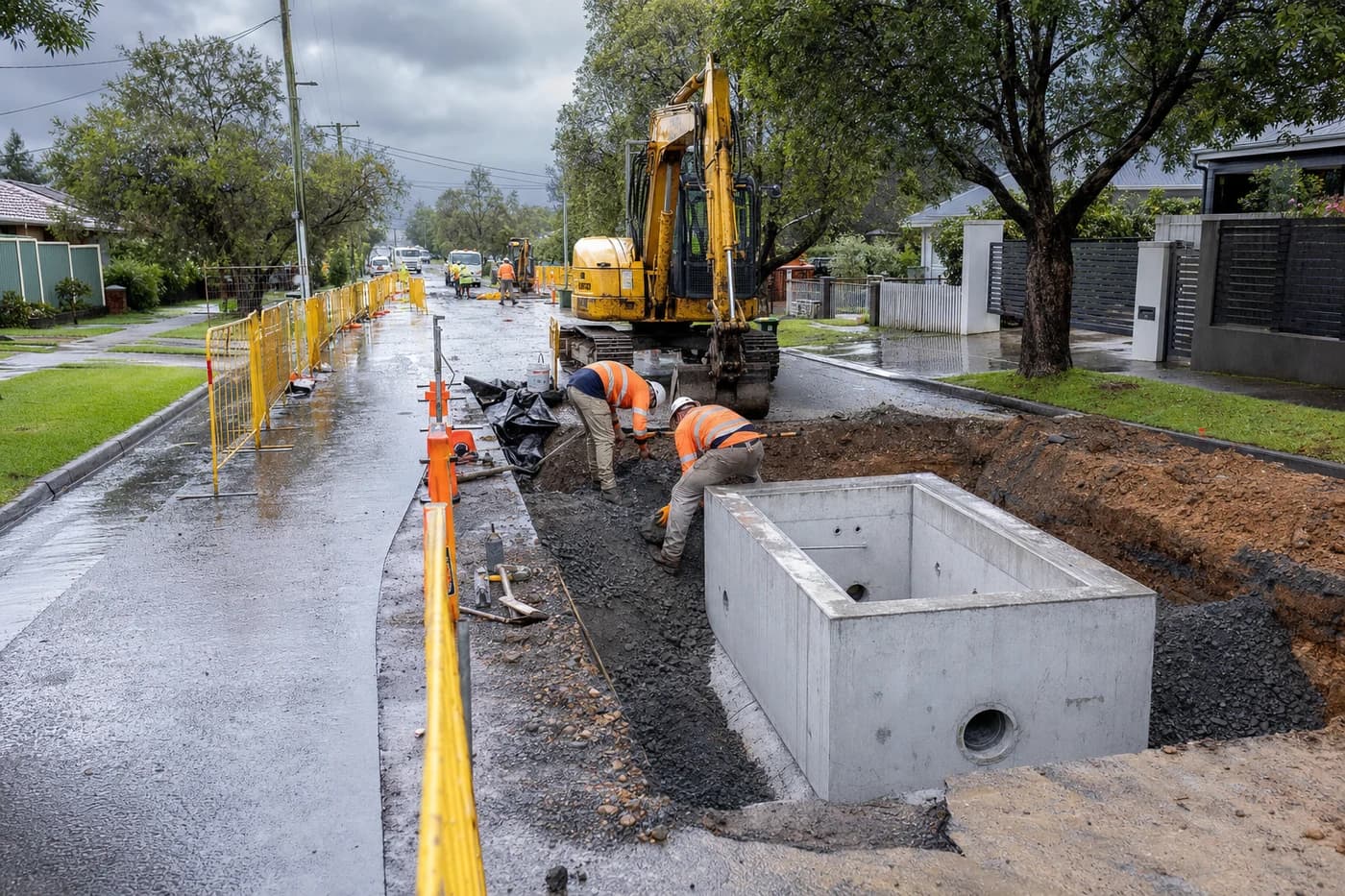
Drainage pit construction is more than setting a precast box in a hole. Programme leads should confirm inlet capacity, grate type, silt trap depth, benching, and connection levels relative to road cross-fall and downstream pipe invert — especially where pits receive runoff from widened pavements or new developments.
Pit upgrades on live roads need traffic staging, temporary covers, and bypass flow paths where properties rely on existing drainage during works. Asset owners who treat pits as quick replacements often discover surcharge problems at the first storm after reinstatement.
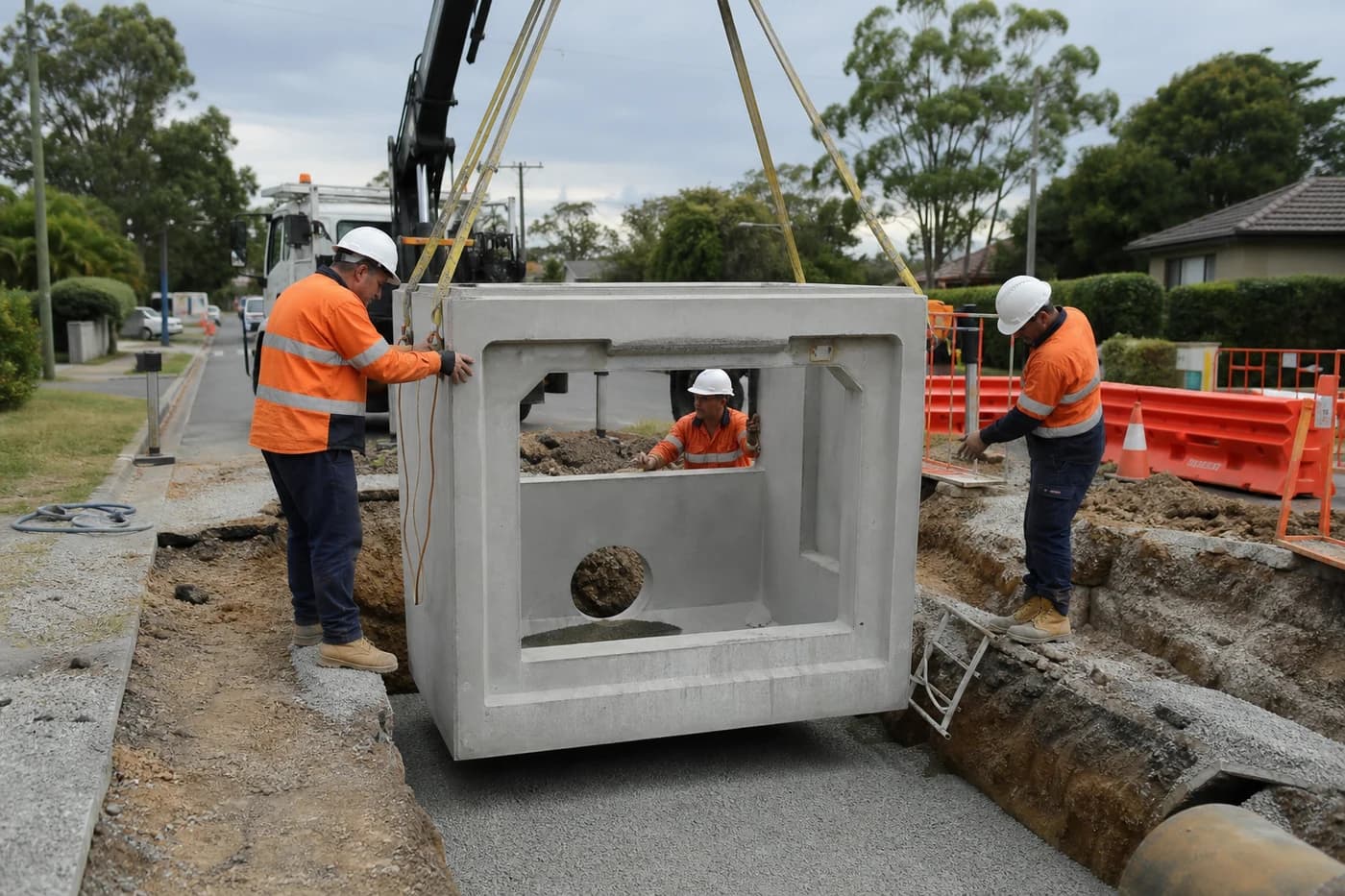
Coreflow delivers stormwater and drainage services for councils and civil programmes — but pit schedules should link to pipe and channel scopes before contractors price individual sites.
Why stormwater drainage upgrades fail without catchment thinking
Drainage assets behave as systems. Upsizing a pit without checking pipe grade, capacity, or downstream channel freeboard can move flooding from one intersection to the next. Reliable programmes start with catchment models, flood history, and overland flow paths — not only a list of complaint locations.
Flood resilience infrastructure goals should be stated in the brief: target storm recurrence, acceptable road ponding depth, property entry protection, and environmental outcomes for downstream waterways.
Document constraints early: utilities in the trench, bus routes, school zones, heritage kerbs, and whether works must complete before wet seasons. Ambiguity here drives change orders and extended road closures.
Stormwater pipe replacement on ageing networks
Stormwater pipe replacement becomes necessary when pipes collapse, joints fail, roots intrude, or hydraulic capacity no longer matches urban intensification. Like-for-like replacement may not be enough where catchment runoff has increased since original design.
Method choice matters on live corridors: open-cut replacement, pipe bursting where suitable, and localised repairs each affect traffic, access, and reinstatement cost. Briefs should name acceptable outage windows for driveway access and pedestrian routes.
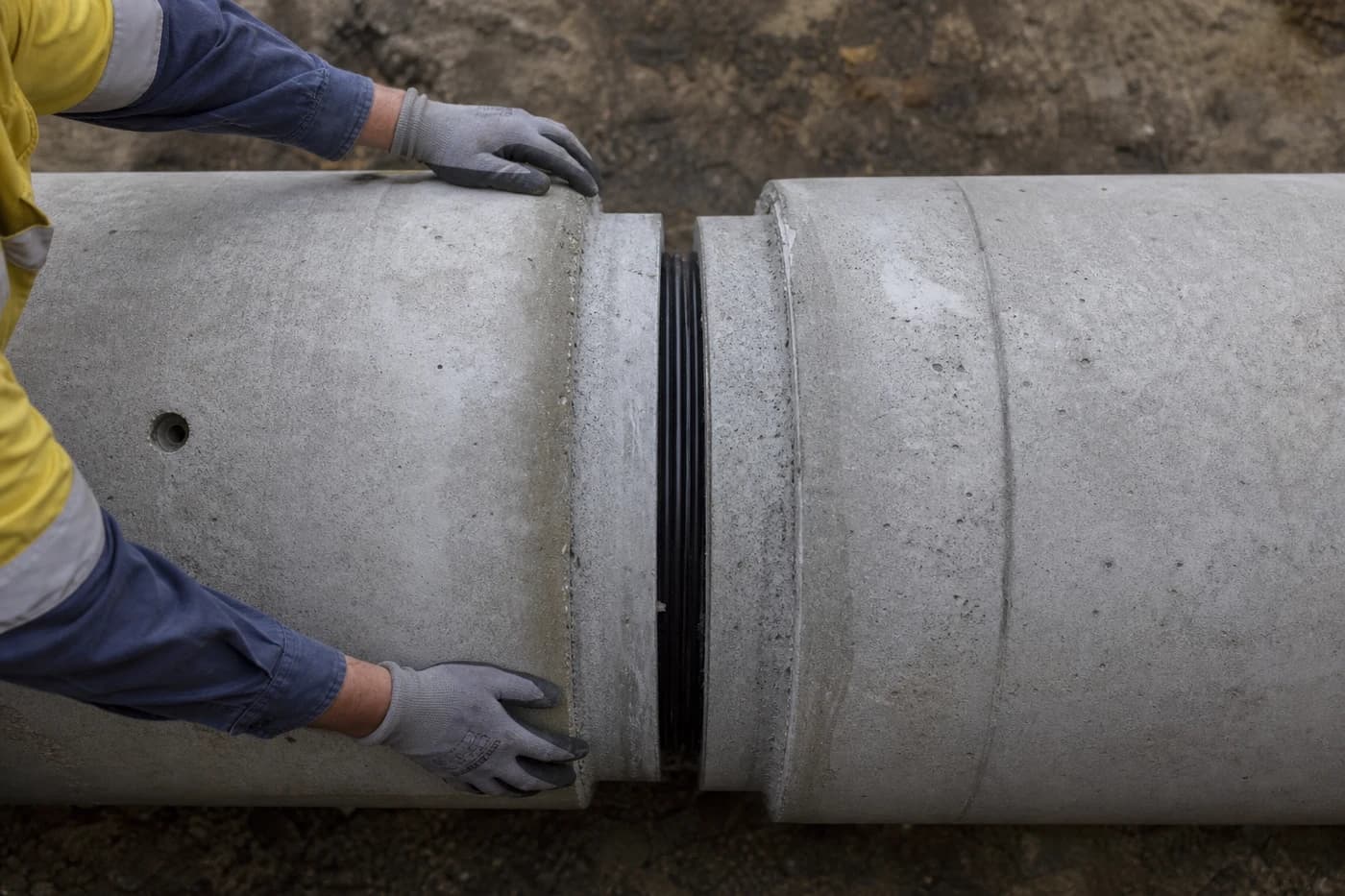
Bedding, jointing, and testing standards should be specified before excavation — especially where pipes cross under carriageways or interface with newly upgraded pits.
See council drainage upgrade project capability for multi-site pit and pipe programmes delivered with staged methodology across live communities.
Channel upgrades and open drain resilience
Piped networks often discharge to open channels, table drains, and roadside swales. Channel upgrades — concrete lining, erosion repair, trash rack installation, and capacity widening — are frequently the missing piece in otherwise well-funded pipe programmes.
Vegetation management, sediment control, and environmental approvals belong in the scope when channels interface with creeks or coastal zones. Rehabilitation that ignores maintenance access often fails within a few wet seasons.
Where channels pass under roads, coordinate with culvert construction and remediation scopes so headwalls, aprons, and debris management are upgraded together.
Safety and methodology on live road stormwater sites
Stormwater works on active carriageways require integrated traffic management, trench support, service proving, and daily reinstatement where programmes demand partial road reopening.
Supervisors should enforce hold points before pavements are reopened over new pipe zones — especially where compaction and proof rolling are specified for flood-prone corridors.
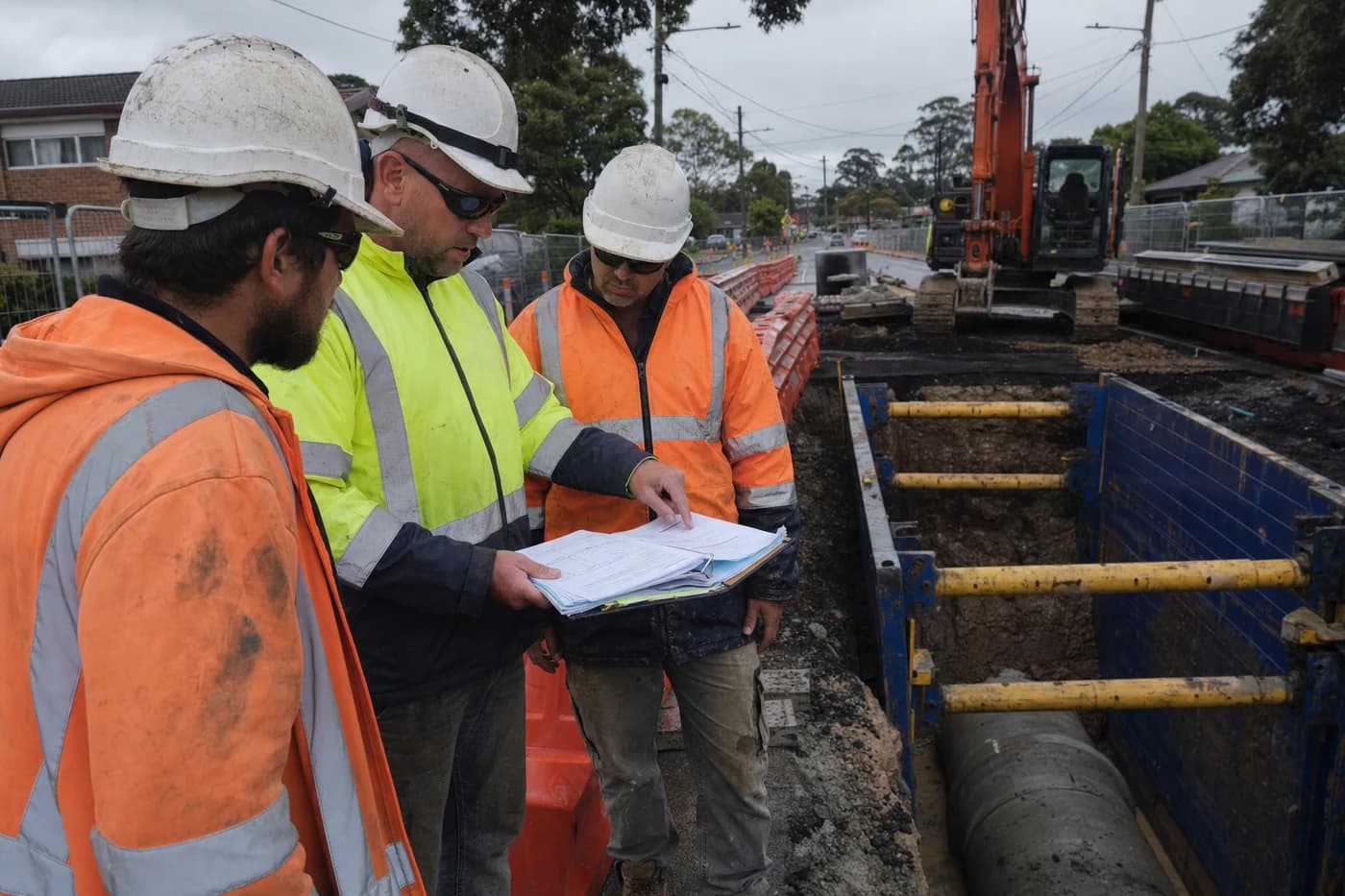
For corridor disruption principles that apply across asset types, see how live-network water works can minimise community disruption.
Open channels, road reserves, and NSW community context
Channel works are highly visible to communities — residents notice changed flow paths, noise during lining, and vegetation removal along reserves. Early stakeholder mapping reduces complaints and helps secure realistic work windows.
Reinstatement and landscape standards should be agreed before works begin. Poor verge and reserve restoration generates follow-on costs that do not appear on pipe supply quotes.
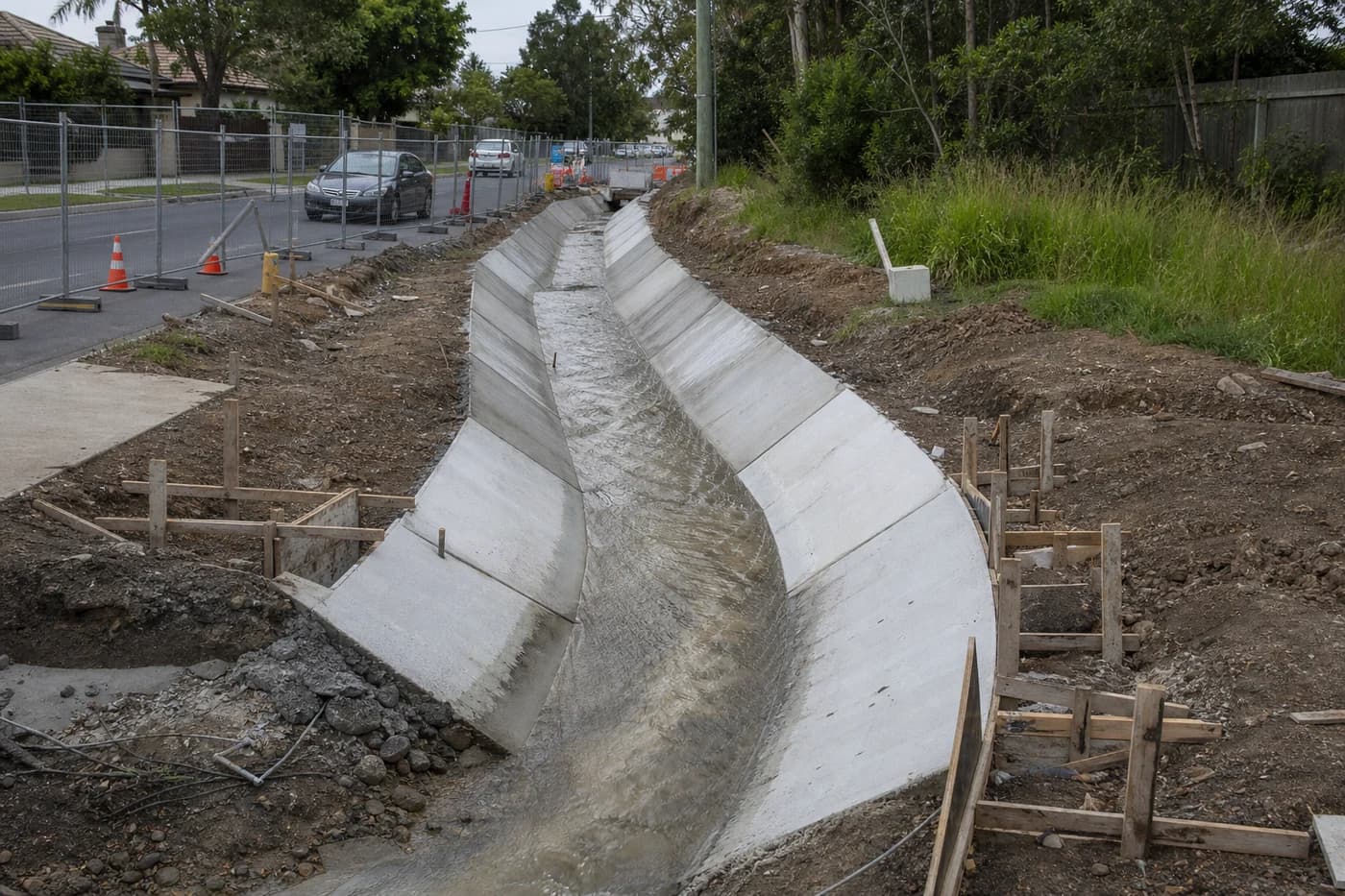
Councils planning broader renewal portfolios can review NSW council renewal programme planning for procurement and multi-year sequencing context.
Multi-site programmes and flood resilience prioritisation
Council drainage programmes rarely deliver one intersection at a time efficiently. Batch sites by catchment, contractor mobilisation, and traffic impact — not only by ward geography.
Prioritise nodes where pit, pipe, and channel failures compound: sag points, railway underpasses, commercial loading zones, and schools. Condition assessment, CCTV where applicable, and flood incident records should feed a ranked site list asset owners can defend in budget submissions.
Coreflow supports inspection and condition assessment that informs upgrade prioritisation before capital estimates are locked.
Catchment planning and technical inputs for upgrade scopes
Technical planning connects hydrology, pit schedules, pipe sizes, and channel capacities to deliverable site packages. Engineers should challenge scopes that upgrade inlets without verifying downstream conveyance.
Hold practical design reviews with delivery teams before tender — constructability feedback on depth, shoring, and traffic staging often changes sequencing and cost in ways desktop designs miss.
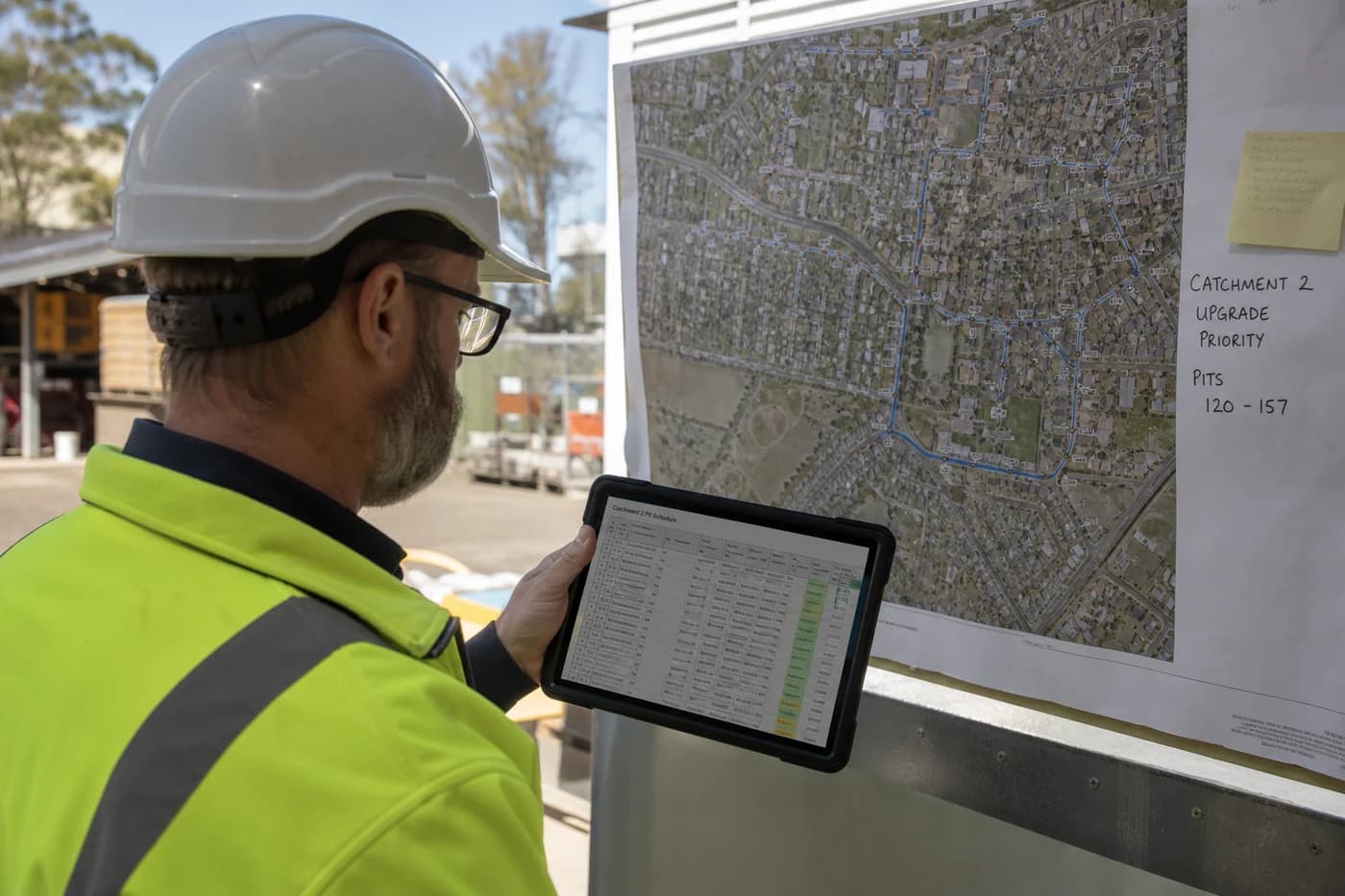
For integrated four-water corridor works, see stormwater and culvert programme capability where drainage and structure upgrades are delivered together.
Choosing a stormwater contractor Sydney councils can trust
A capable stormwater contractor Sydney programmes can shortlist should demonstrate live-road drainage experience, multi-site coordination, traffic management capability, and clear documentation — not only earthworks and pipe supply.
Ask how the contractor sequences pits, pipes, and channels within a catchment, manages wet-weather risk, and handles reinstatement to council specifications. General civil contractors may trench efficiently but lack integrated stormwater methodology councils expect on public programmes.
Review Coreflow's industry experience with local councils and civil delivery partners, or contact our team with catchment plans, site lists, and target programme years for practical input.
Explore full stormwater services capability — from resilience-focused delivery through maintenance and rapid response on critical drainage assets.
Common questions
Frequently asked questions
What are stormwater drainage upgrades?
Programmes that improve drainage performance by renewing or upsizing pits, pipes, channels, and related structures so catchments handle storm flows with lower flood and erosion risk. Effective upgrades treat pits, pipes, and channels as a connected system rather than isolated road works.
When is stormwater pipe replacement needed?
When pipes show structural failure, joint separation, root intrusion, chronic blockage, or insufficient capacity for current catchment runoff. Replacement scopes should confirm grade, bedding, joint standards, and downstream capacity — not only pipe diameter.
How does drainage pit construction affect flood resilience?
Pits control how runoff enters the piped network. Correct inlet capacity, silt storage, benching, and connection levels prevent surcharge at critical nodes. Poor pit fit-out can undermine downstream pipe and channel upgrades.
What should councils look for in a stormwater contractor in Sydney?
Live-road delivery experience, traffic and trench safety controls, multi-site programme coordination, catchment-aware sequencing of pits, pipes, and channels, and clear testing and reinstatement documentation suited to council specifications.
Related pages