
Wastewater Rehabilitation: How to Keep Sewer Networks Reliable During Renewal
How to keep sewer networks reliable during wastewater rehabilitation — sewer main rehabilitation methods, manhole rehabilitation, sewer renewal sequencing, hygiene controls, and choosing a wastewater contractor in Sydney and NSW.
Service intelligence
Reliable sewer networks during renewal
On this page
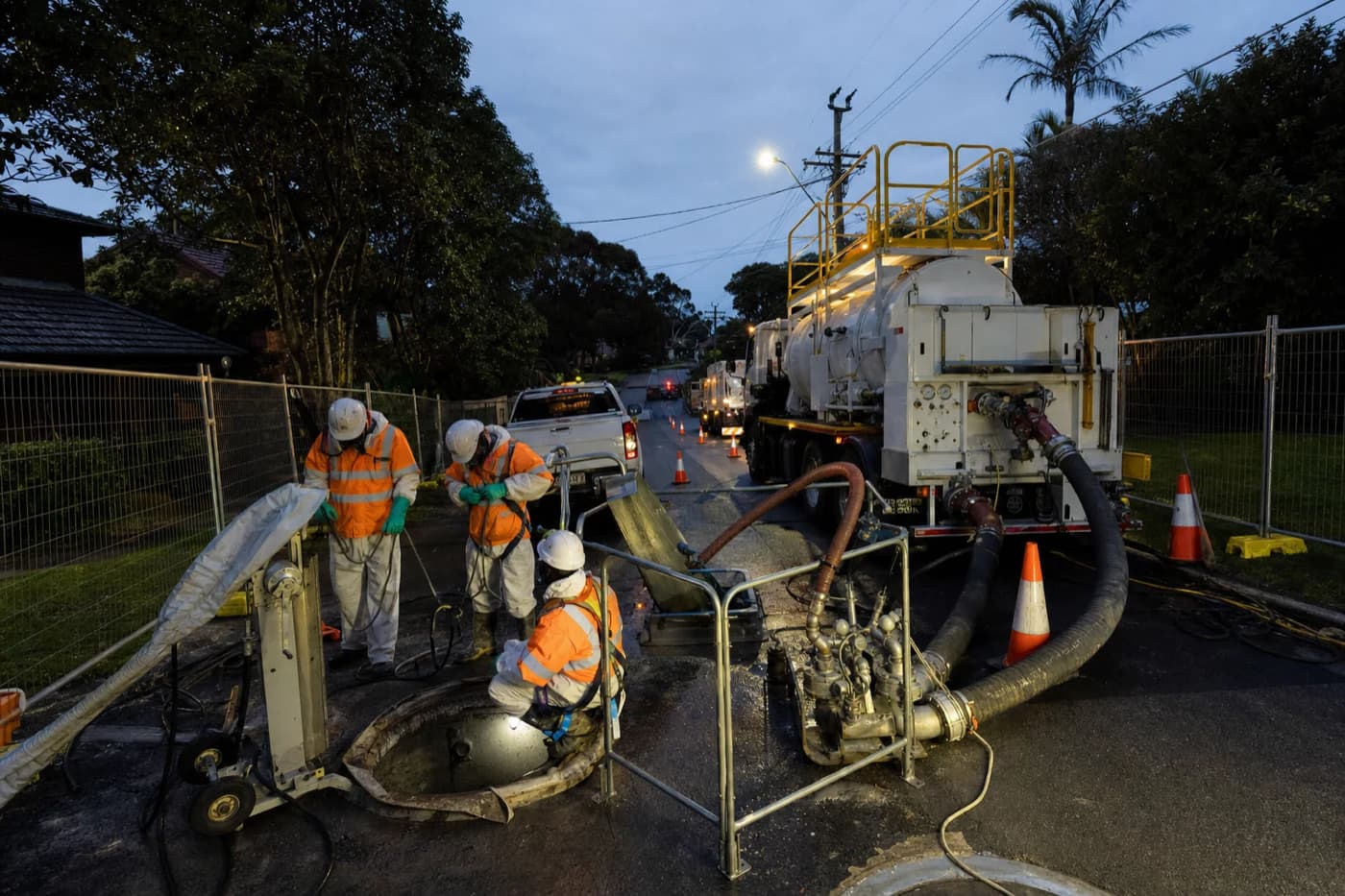
Sewer networks do not pause for capital works. When wastewater rehabilitation is scoped like a greenfield pipeline job — trench, pipe, backfill — asset owners often discover too late that reliability, overflow risk, and community trust depend on what happens between excavation windows.
This service guide explains how utilities, councils, and delivery partners can keep sewer networks operating reliably while renewal proceeds. The focus is practical programme design for Sydney metro catchments, regional town sewers, and council-managed wastewater interfaces across NSW — not generic civil estimating.
For broader asset context, see the four waters explained and how wastewater assets differ from potable and stormwater programmes before locking rehabilitation methods.
Why reliability fails when sewer renewal is under-planned
Rehabilitation programmes fail quietly first — increased wet-weather overflows, odour complaints, pump station alarm frequency, and emergency call-outs on adjacent mains — before a headline failure appears. Reliability risk rises when bypass capacity, flow diversion, and manhole access are treated as field problems rather than design inputs.
Asset owners should name the service level they are protecting: maximum flow bypass capacity, acceptable overflow risk during storms, odour thresholds near schools and hospitals, and how quickly a section can return to normal operation after tie-in.
Coreflow delivers wastewater infrastructure services with hygiene-focused controls on live networks — but the programme brief must state reliability targets before contractors price methods and staging.
What to confirm before wastewater rehabilitation mobilises
Start with asset identity: pipe material, diameter, depth, age, infiltration history, manhole condition, and downstream pump station capacity. Rehabilitation without that baseline often defaults to like-for-like open-cut whether or not it suits the corridor.
Confirm regulatory and environmental constraints: easements, waterways, heritage frontages, noise windows, and whether works occur in high-sensitivity catchments during wet seasons.
Agree documentation expectations: CCTV records, manhole condition sheets, test results, as-built updates, and who signs off before flows are redirected back through renewed sections.
Inspection-led programmes benefit from inspection and condition assessment that ranks risk before capital scopes are frozen — especially where sewer renewal must be sequenced across multiple valve or manhole sections.
Sewer main rehabilitation methods and when each suits the network
Sewer main rehabilitation spans open-cut replacement, pipe relining, localised patch repairs, and structural renewals on ageing vitrified clay, concrete, and PVC assets. Method choice should follow condition data, depth, adjacent utilities, and whether flows can be diverted without unacceptable overflow risk.
Open-cut replacement offers full structural renewal and alignment correction but carries the longest surface disruption. Relining and trenchless options can preserve pavements and reduce community impact when geometry, access pits, and post-rehabilitation hydraulic performance are confirmed suitable.
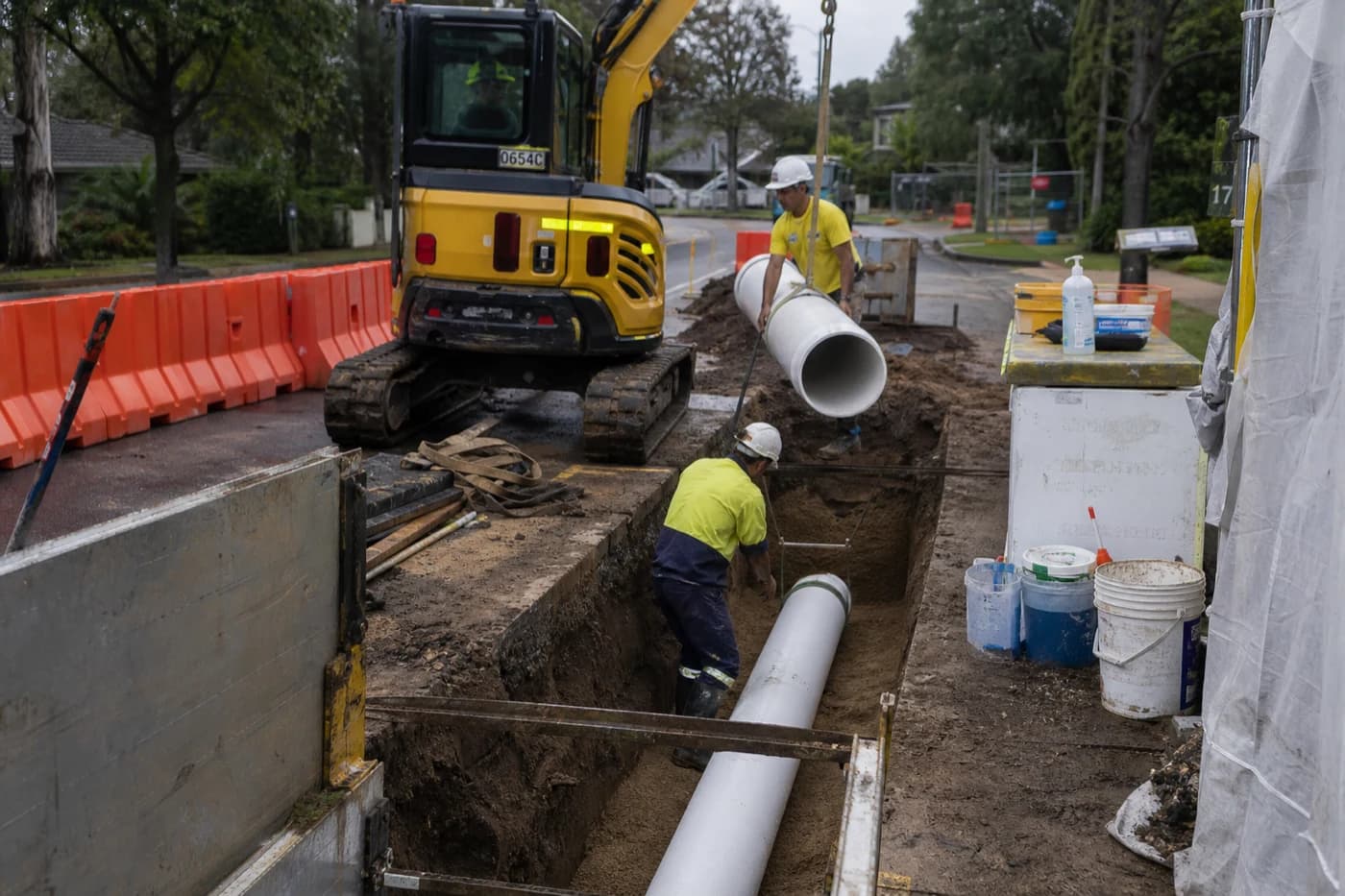
See wastewater network rehabilitation project capability for how inspection-led renewal, hygiene controls, and staged delivery keep services operating during programmes.
Manhole rehabilitation without destabilising the catchment
Manhole rehabilitation is often under-scoped in sewer renewal tenders. Deteriorated benches, corroded steps, cracked channels, and leaking interfaces can undermine a renewed main by allowing infiltration, surcharge, and access safety failures.
Programme leads should decide whether manholes are renewed section-by-section with mains work or batched as a separate corridor package. Staged manhole works can maintain flow paths if bypass pumping and temporary covers are planned — not improvised after the first surcharge event.
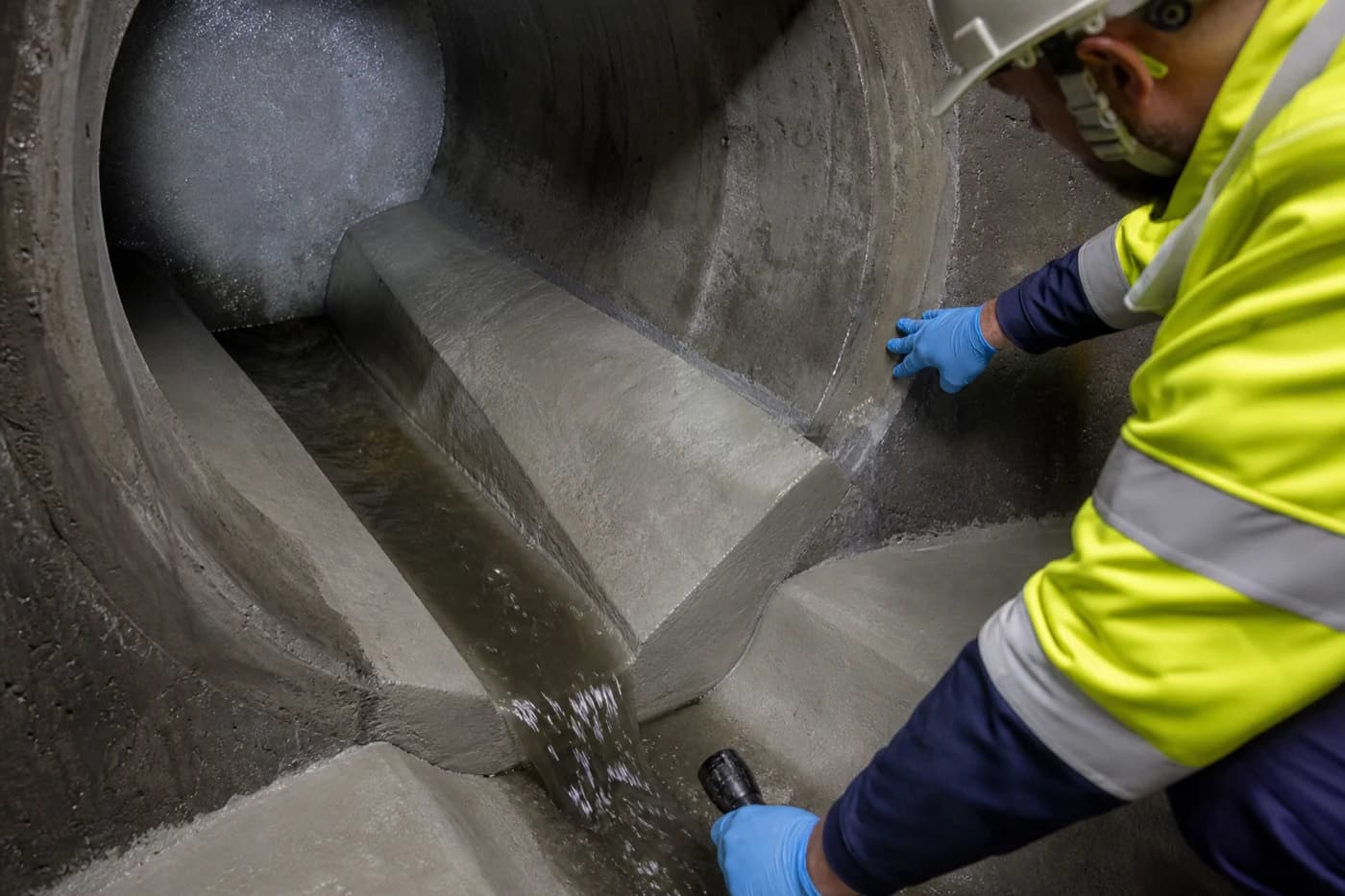
Structural repairs, channel regrading, sealing, and frame-and-cover upgrades each need hold points before flows return. Poor manhole close-out is a common source of post-renewal infiltration and odour complaints.
Hygiene controls that protect communities during sewer renewal
Wastewater works carry hygiene obligations potable programmes do not. Gas monitoring, confined space entry controls, deodorisation, spill kits, and exclusion zones near schools and food businesses should be named in method statements — not left to site improvisation.
Sewer renewal in live streets also needs clear communication: what residents may smell, how long bypass pumps will run, and what to do if alarms or overflows occur. Ambiguous outage messaging erodes trust faster than a longer but well-explained programme.
For lower-disruption staging on active networks, pair this guide with how live-network water works can minimise community disruption — many corridor and access principles apply equally to sewer programmes.
Safety and methodology at live sewer rehabilitation sites
Live sewer sites require integrated safety methodology: verified service locations, traffic control, trench support, confined space permits, and emergency rescue plans before manholes are opened.
Supervision depth matters. Rehabilitation programmes with rotating casual crews and weak hold-point discipline often show good progress photos but poor close-out documentation — a reliability risk when the next wet season arrives.
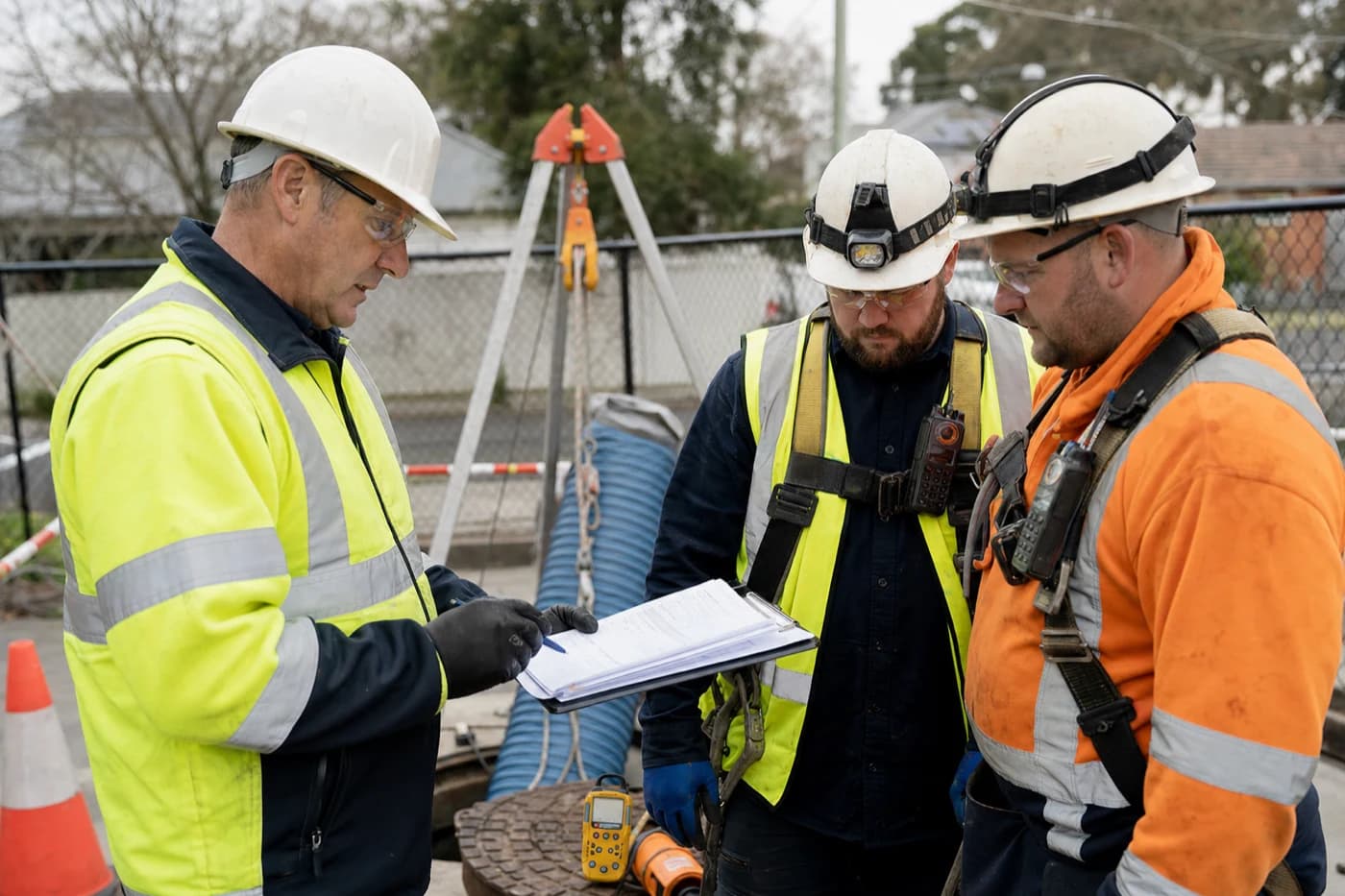
Coreflow applies safety-first methodology across renewal and rehabilitation scopes, with hygiene controls suited to wastewater assets on metropolitan and regional NSW programmes.
Sequencing sewer renewal across a catchment
Catchment sequencing should follow hydraulic logic, not only geographic convenience. Renewing a downstream main before upstream infiltration is controlled can shift surcharge points. Pump station capacity, wet-weather overflow structures, and temporary bypass routes must be modelled for each stage.
Batch manhole and main works where trenches can be shared with stormwater or road programmes — but only when designed deliberately. Accidental utility overlap extends open excavations and raises reliability exposure.
Define rollback plans. If a stage cannot be completed within the agreed window, asset owners need a documented path to restore flows safely without leaving partial works in a vulnerable state.
Corridor access, stakeholders, and reinstatement on sewer programmes
Sewer renewal is judged at the property boundary — driveway access, school zones, business loading, and pedestrian routes. Corridor plans should map these before permits are lodged, especially where bypass pumps and generators run overnight.
Reinstatement specifications for pavements, verges, and driveways should be agreed in tender documents. Poor restoration generates claims and follow-on road openings that extend reliability risk.
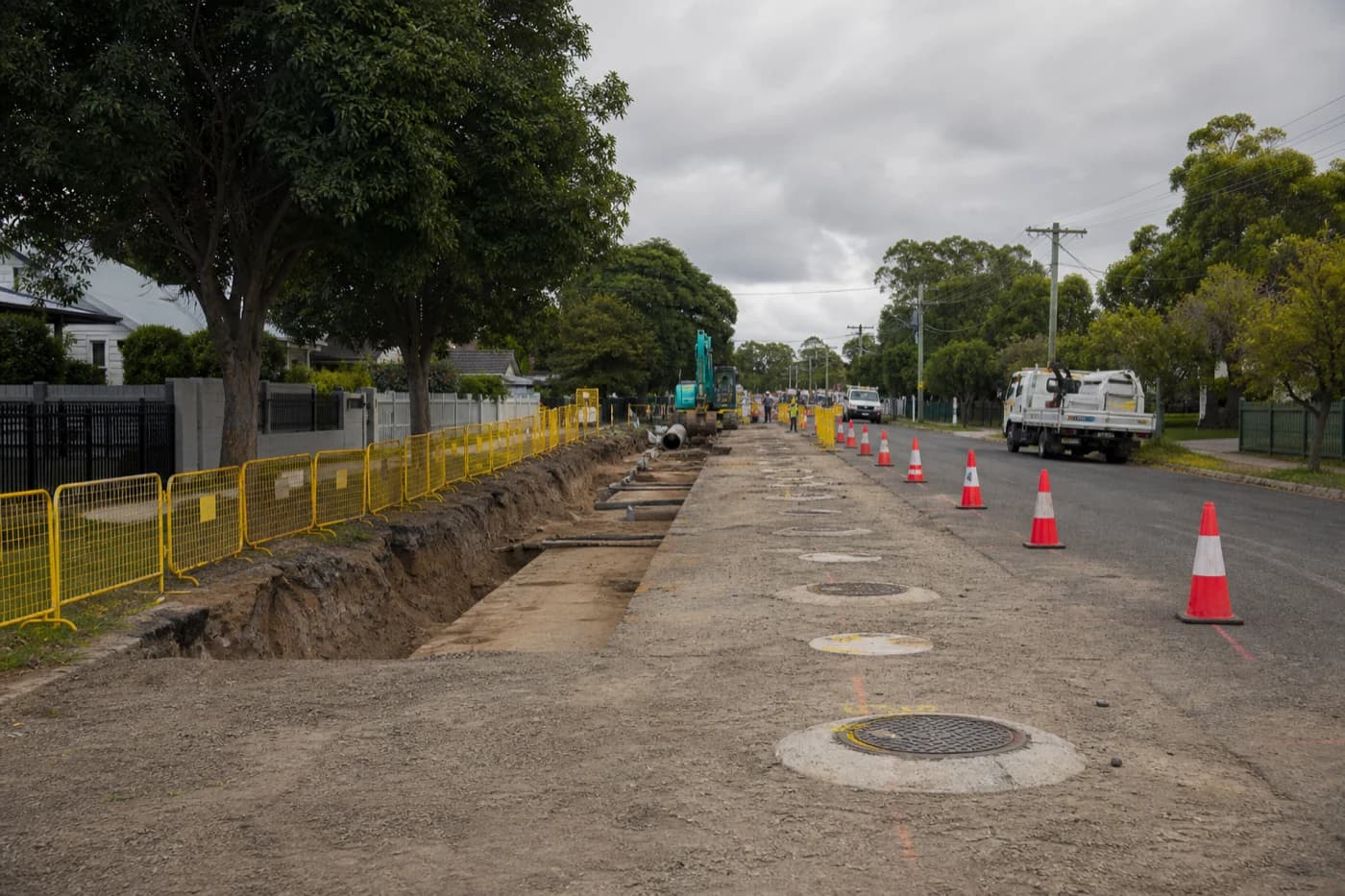
Councils and utilities can review Coreflow's industry experience across water authority and local government programmes before appointing delivery partners.
Inspection intelligence that supports defensible sewer renewal
CCTV, manhole surveys, smoke testing, and flow monitoring turn scattered failures into prioritised renewal lists. Asset owners who skip this step often renew visually obvious sections while leaving high-infiltration laterals and manholes untouched.
Inspection outputs should link directly to method selection — relining candidates, open-cut sections, and manhole packages — so procurement teams compare consistent scopes.
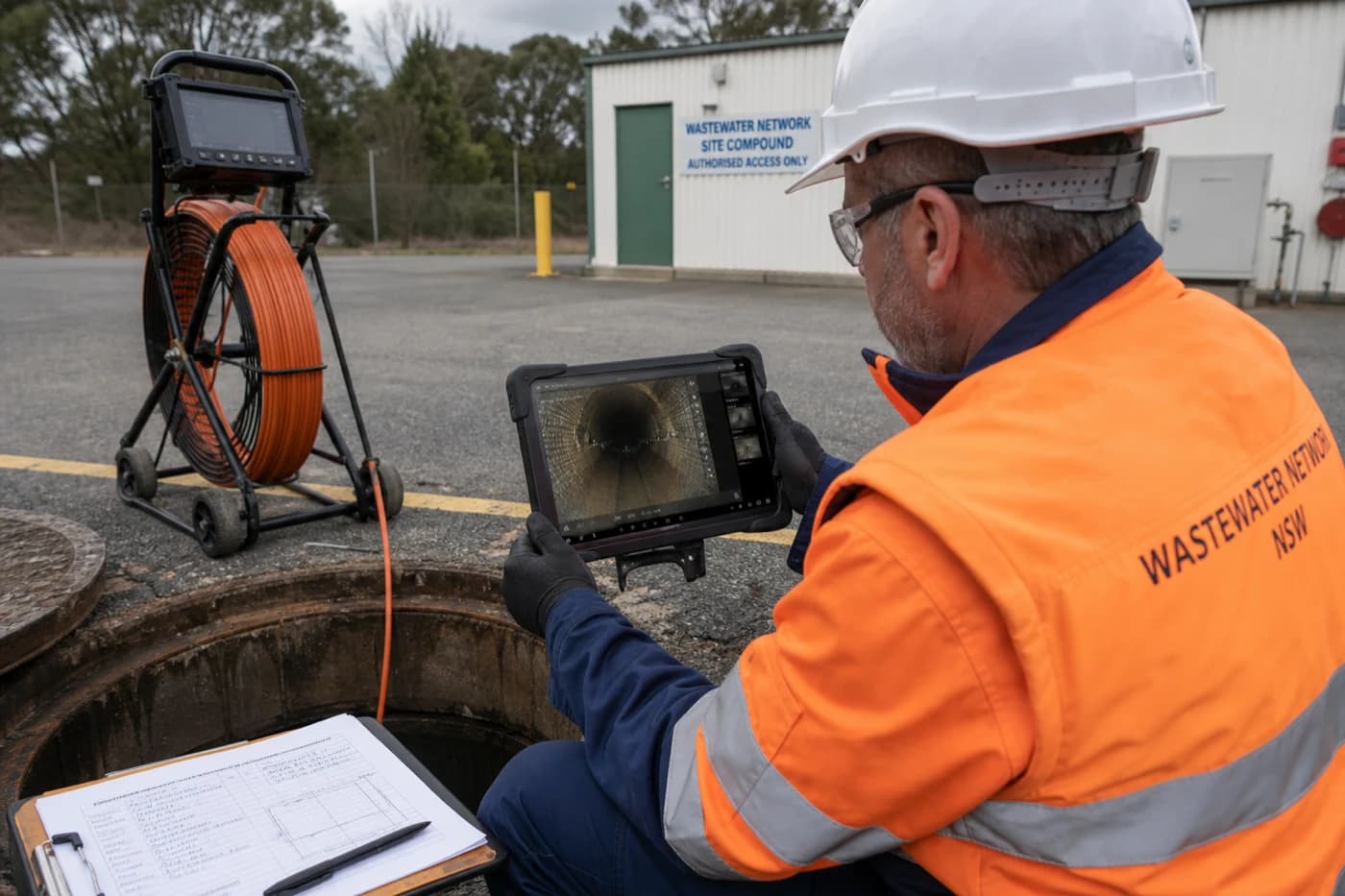
Questions on inspection scope, rehabilitation methods, or programme sequencing can be directed through contact our team with asset registers, CCTV summaries, and target programme years.
Choosing a wastewater contractor Sydney teams can rely on
A capable wastewater contractor Sydney programmes can shortlist should demonstrate live-network sewer experience, hygiene methodology, supervision depth, and recent comparable rehabilitation — even when client names are confidential.
Ask how the contractor manages bypass pumping, overflow contingency, odour controls, and night works near sensitive receivers. Generic civil contractors may excel at trenching but lack integrated wastewater controls utilities expect on regulated programmes.
For accreditation and procurement context, see how to choose a water authority accredited constructor in Sydney and what a water infrastructure contractor does in Sydney before finalising panel appointments.
Coreflow supports utilities, councils, and asset owners with wastewater services from planning input through sewer main rehabilitation, manhole works, and handover on live NSW networks.
Common questions
Frequently asked questions
How can utilities keep sewer networks reliable during wastewater rehabilitation?
Define reliability targets upfront — bypass capacity, overflow risk, odour controls, and acceptable outage windows. Sequence works by catchment hydraulics, maintain hygiene and confined space methodology, and ensure inspection data informs method selection before mobilisation. Rollback plans should be documented for each stage.
What is included in sewer main rehabilitation?
Scopes may include open-cut replacement, pipe relining, structural repairs, infiltration reduction, tie-ins, testing, and reinstatement. Method choice depends on pipe condition, depth, adjacent utilities, and whether flows can be diverted without unacceptable surcharge or overflow risk.
When is manhole rehabilitation required during sewer renewal?
When benches, channels, steps, frames, or seals show deterioration that would undermine a renewed main through infiltration, surcharge, or access failure. Manhole packages can be staged with main works or delivered as a separate corridor programme depending on flow diversion capacity.
What should asset owners look for in a wastewater contractor in Sydney?
Live-network sewer experience, hygiene and confined space controls, bypass and overflow contingency planning, supervision depth, inspection-led method selection, and clear documentation for handover. Accredited constructor fit should match the works class being procured.
Related pages